
The History of the Ukulele – From Madeira to Hawaii
Patrick Vosen · 5 September 2025 · 4 min read
While traveling through Portugal, I noticed something fascinating: the country where the ukulele originally comes from today has hardly any active ukulele community! And yet, one of the most exciting stories in music history started right here — the story of the ukulele.
A Journey Full of Hope
It was 1879 when the Ravenscrag arrived in the harbor of Honolulu after a four-month voyage. On board were 423 people from Madeira who had fled the poverty of their homeland to start a new life working on Hawaii’s sugarcane plantations. Among them was João Fernandes who, overcome with gratitude for the safe crossing, began to sing a harvest song upon arrival. In his hands he held a small four‑string instrument — the machete. The Hawaiians were instantly captivated by this novel instrument.
Sometimes all it takes is one brave person with an instrument to make history.
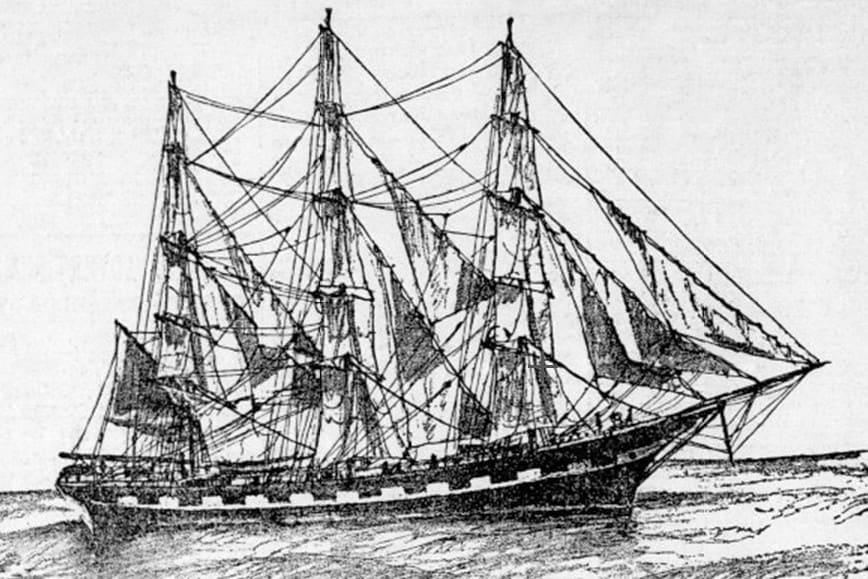
Sketch of the Ravenscrag, 1898 (Butler, Public domain, via Wikimedia Commons)
The Birth of the Ukulele
Among the passengers were three carpenters who would change music history forever: Manuel Nunes, Augusto Dias, and José do Espírito Santo. In Honolulu, they began building instruments that combined characteristics of the Portuguese machete and the rajão. Interestingly, it took a full 10 years before the word “ukulele” appeared in writing. Who ultimately invented it remains disputed to this day.
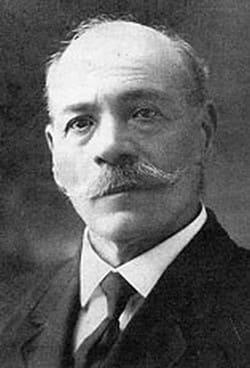
Fate wasn’t kind to all three makers: Santo gave up his business as early as 1900, and Dias lost his in a devastating fire. Only Nunes kept building ukuleles and passed his craft to the next generation. One of his apprentices, Samuel Kamaka, founded his own workshop in 1916. Today, Kamaka is one of the most renowned ukulele makers in the world.
From the Machete to the Ukulele
What makes the ukulele so special? It blends the best of two traditional Portuguese instruments:
The Machete (also called Braguinha):
- A compact, four‑string instrument
- Traditionally tuned D–G–B–D
- Easy to carry and perfect for singing along
The Rajão:
- Slightly larger, with five strings
- Tuned D–G–C–E–A
- Known for its full, warm tone
The ukulele adopted the handy size of the machete but combined it with elements of the rajão for a fuller sound. Today’s common G–C–E–A tuning was inspired by the four highest strings of the rajão.
Where Does the Name Come From?
Amusingly, the word “ukulele” existed before the instrument — it meant “cat flea”! Around 1900, Jack London wrote that the name came from the players’ nimble finger movements that “jump” over the strings like fleas. Others translate it as “the gift that came.” The deeper you dig, the more explanations you find.
The Ukulele’s Rise
The history of the ukulele is also a story of cultural resistance. When Hawaii was confronted with American annexation, playing ukuleles made of native koa wood became a symbol of patriotic pride. Through their music, Hawaiians demonstrated their “Aloha ‘Āina” — their deep love for the land.
King David Kalākaua, Hawaii’s last monarch, holds a special place in this story. He and his family were not only passionate lovers of music but active patrons of the ukulele. His sister, the future Queen Liliʻuokalani, even composed “Aloha ‘Oe” — one of Hawaii’s most revered songs. Kalākaua learned to play the ukulele himself and made it a staple of royal events.
The ukulele became more than just an instrument — it became an ambassador of Hawaiian culture.
The big breakthrough came in the early 1900s when Hawaiian musicians began performing at world’s fairs and in vaudeville shows. A key moment was the Panama–Pacific International Exposition in San Francisco in 1915. This was the first time the ukulele truly enchanted a mass audience on the American mainland. The instrument’s exotic sound and unmistakable charm captivated listeners.
Rising demand led to a veritable ukulele industry. American manufacturers like Harmony and Regal began mass‑producing affordable models. While these couldn’t match the quality of handcrafted Hawaiian instruments, they made the ukulele accessible to everyone.
The ukulele’s fascinating history shows how a small instrument can take on great cultural meaning. From its humble beginnings as an immigrant from Madeira, it became a symbol of Hawaiian identity and ultimately a global phenomenon. On my journey through Portugal, I explored the roots of this special instrument — but its real magic lies in the way it still brings people together all over the world.
Next time you pick up your ukulele, remember: you’re holding more than a musical instrument — you’re holding a living piece of cultural history, one that tells a story of courage, resistance, and the unifying power of music.
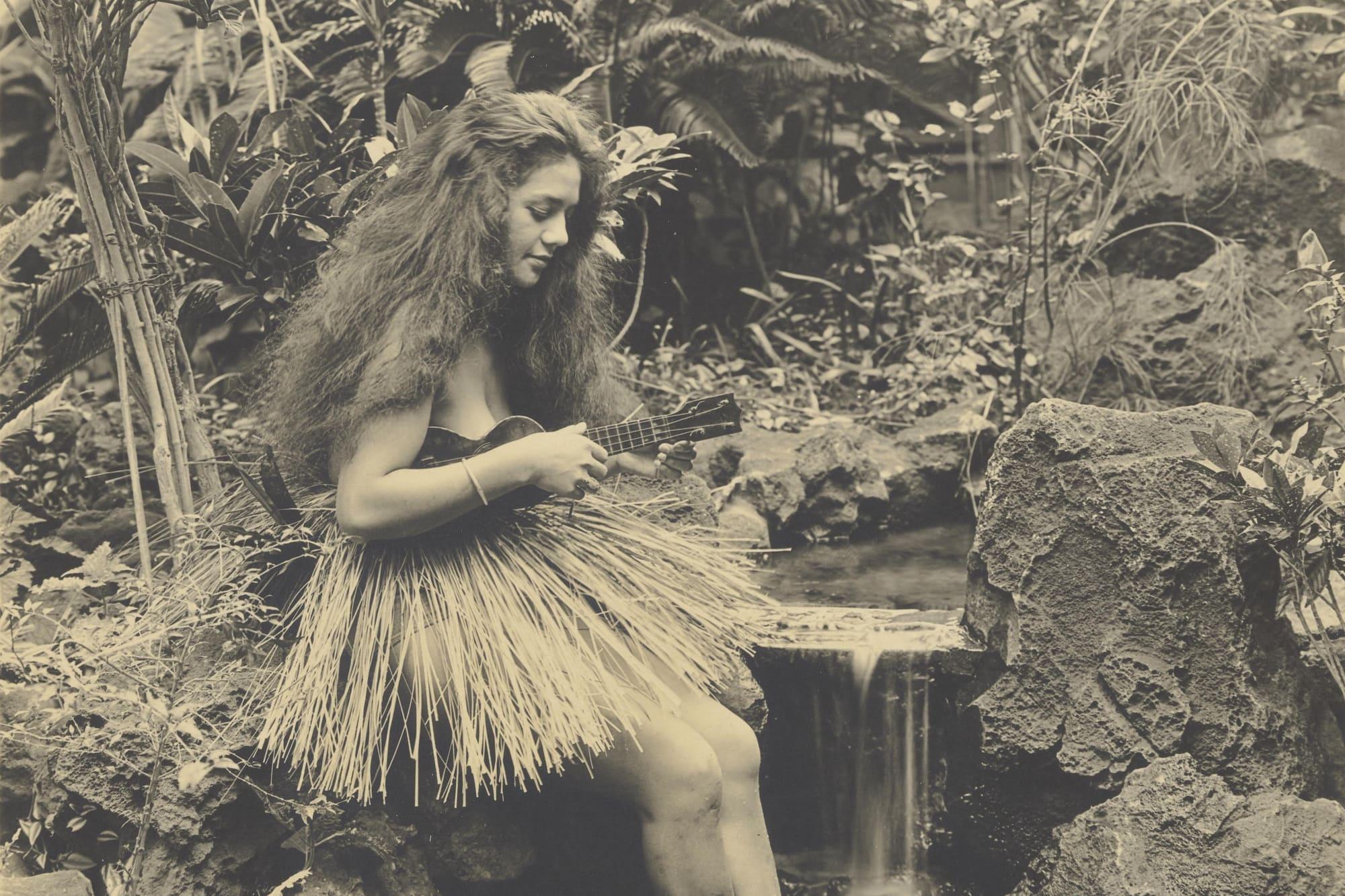
Header photo: Hawaiians – Hula Dancers: Edgeworth, L. E. (1868–1931) (Digital Archives of Hawai‘i, Reference: PP-33-4-019)